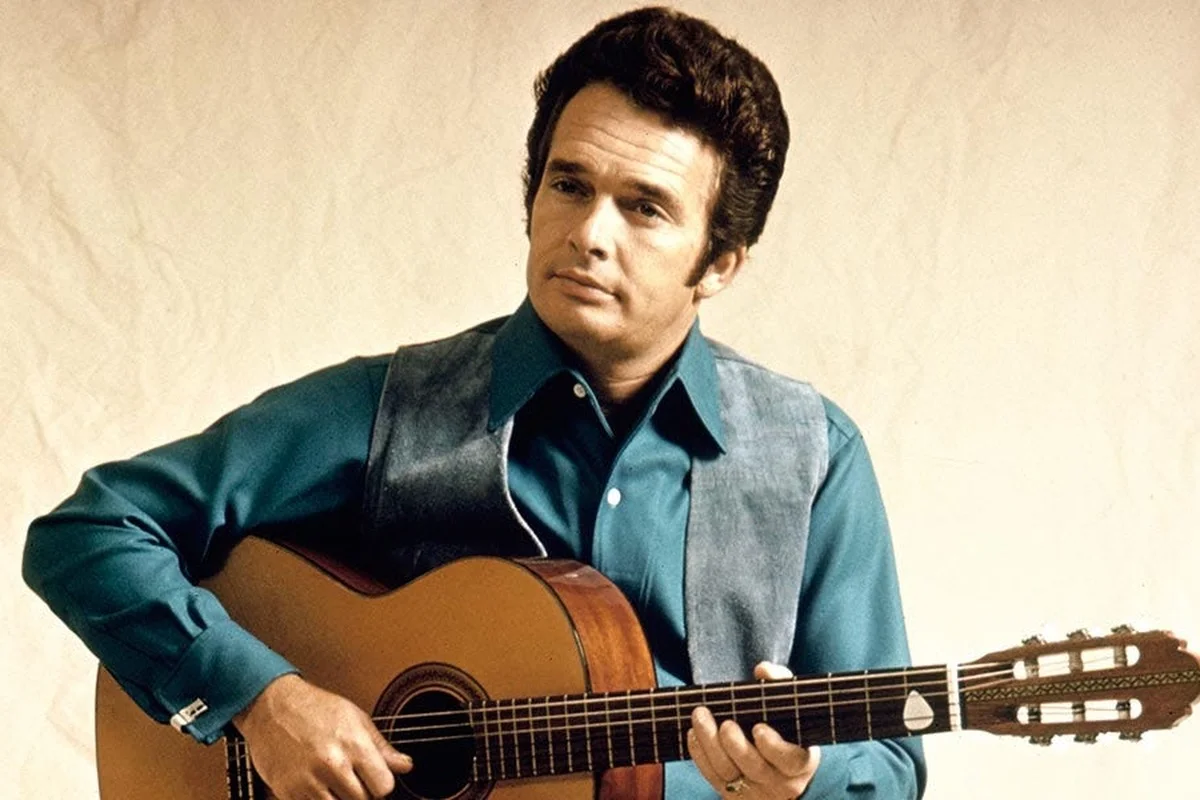
Before Merle Haggard became a country music legend he was a young man struggling to find his place in the world. He lost his father as a child and spent years running away from home. His repeated troubles with the law eventually led him to San Quentin State Prison in California. At the time his future looked uncertain and music seemed far from becoming his life’s work.
Yet Haggard went on to write some of country music’s most memorable songs. His music spoke about regret and family struggles. It also gave a voice to people who felt overlooked by society. His journey raises a question worth exploring. How did a man who once ended up behind prison walls become an artist whose songs touched millions?
The loss that changed his childhood
Merle Ronald Haggard was born on April 6, 1937, near Bakersfield in California. His family had moved from Oklahoma during the Great Depression. His father worked for the railroad and the family lived in a converted boxcar. Their life was modest but his childhood changed dramatically when his father died in 1946. Merle was only nine years old.
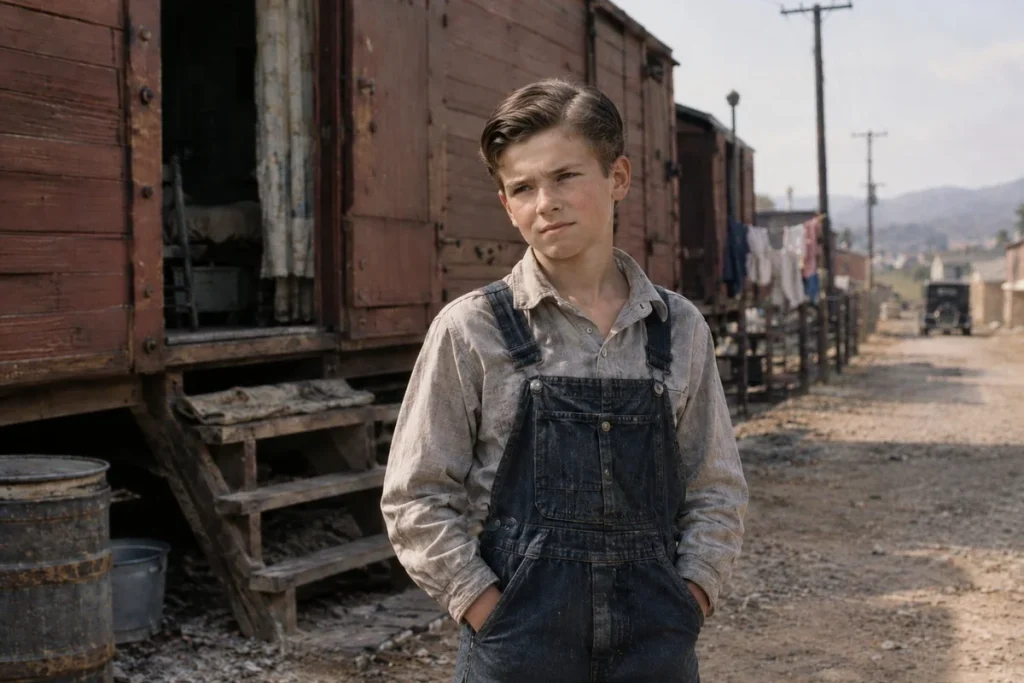
The loss affected him deeply. As he grew older he began running away from home and struggling at school. He was sent to juvenile institutions and escaped several times. His life became increasingly unsettled as he moved between family problems and trouble with the law.
Music offered him something different. His older brother gave him a guitar when he was around twelve. Merle taught himself to play by listening to country music records. He admired singers who could turn ordinary experiences into powerful stories. However his love for music did not immediately change his behavior.
In 1957 he was caught in connection with a burglary near Bakersfield. After further legal trouble he was eventually sent to San Quentin State Prison. For a young man who had spent years trying to escape difficult situations this was a serious turning point. He could no longer simply run away from the consequences of his decisions.
The prison experience he never forgot
Prison did not transform Haggard overnight. He continued to struggle before gradually reconsidering his future. One experience later became an important part of his story. He saw Johnny Cash perform for inmates at San Quentin.

Cash was known for songs about prisoners and people living on the edges of society. His music showed that a song could reach people who rarely felt understood. For Haggard the performance offered a glimpse of what music could become in his own life. It helped strengthen his desire to take his talent seriously.
The concert was not the only reason his life changed. Haggard still had to make better decisions and work toward a new future. He was released on parole in 1960 after spending nearly three years in prison. Once free he returned to the Bakersfield area and took manual jobs while looking for opportunities to perform.
Slowly his music career began to develop. He played bass for country singer Wynn Stewart and started recording his own songs. His early progress came through steady work rather than instant success. In 1972 California Governor Ronald Reagan granted him a full pardon for his past criminal record. By then Haggard had already begun building a name for himself in country music.
But his past would continue to influence his songwriting. The experiences that once brought him shame and hardship would help him understand the people whose stories he wanted to tell.
The songs that revealed his real story
Haggard’s music stood out because it did not pretend that life was always simple. His songs explored the consequences of bad decisions and the pain they could cause families. One of his best-known songs was “Mama Tried” which was released in 1968.
The song tells the story of a son who ignores his mother’s efforts to guide him. His choices eventually lead him to prison. Its emotional power comes from the knowledge that his mother tried to help him but could not make his decisions for him. The story carried a personal feeling that many listeners could understand even if they had never experienced anything similar.
Another important song was “Sing Me Back Home.” It tells the story of a condemned prisoner who asks to hear music before his execution. Rather than focusing only on the crime the song draws attention to the man’s final request and the emotions behind it. Haggard showed that even people who had made serious mistakes could still have memories and feelings that mattered.
His music also reached beyond prison stories. “Workin’ Man Blues” celebrated people who worked hard to support their families. “Silver Wings” explored the sadness of separation. These songs helped establish Haggard as a songwriter who could capture the experiences of ordinary people without making their lives seem perfect.
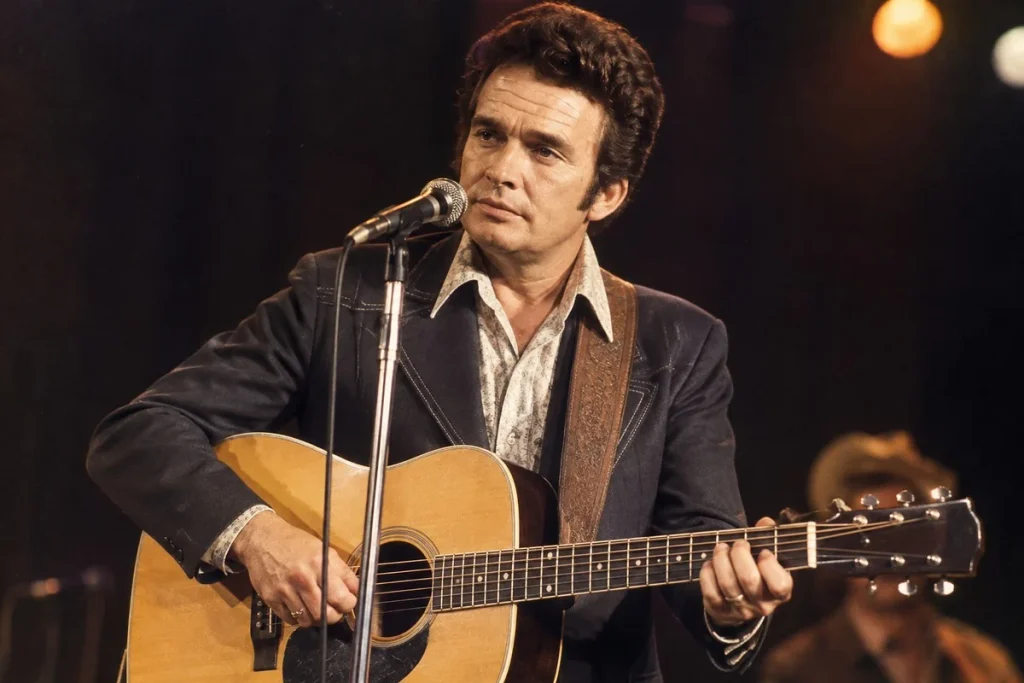
He also became a major figure in the Bakersfield Sound. This style of country music was known for its strong electric guitars and energetic feel. It offered a tougher alternative to the polished sound popular in Nashville at the time.
In 1969 Haggard released “Okie from Muskogee” with Roy Edward Burris as his co-writer. The song became a major hit and was closely associated with traditional American values during a period of cultural conflict. It showed another side of his songwriting and expanded his public image beyond his personal history.
Why his past never became his final story
Haggard’s career lasted for decades. His songs reached the top of the country charts and influenced generations of musicians. He was inducted into the Country Music Hall of Fame in 1994. His achievements reflected more than commercial success. He had developed a distinctive way of telling stories about people who were often ignored or misunderstood.His songs gave a voice to workers and struggling families. They explored regret without pretending that mistakes had no consequences. That honesty helped audiences connect with his music because the emotions felt real.Haggard died on April 6, 2016, his seventy-ninth birthday, after complications from pneumonia. He left behind a remarkable musical legacy.
His story is often remembered as a journey from prison to fame but that description misses an important part of what made his life meaningful.He had to rebuild his future through years of work. He developed his talent and learned to turn difficult experiences into stories that other people could recognize. His past shaped his perspective but it did not have to define the rest of his life.Perhaps that is the most powerful part of Merle Haggard’s story. He did not erase his troubled years to become successful. He transformed them into music that helped people understand regret and the possibility of change. The young man who once struggled to find direction eventually became a voice for millions. His life proved that a painful beginning does not always determine how the story ends.