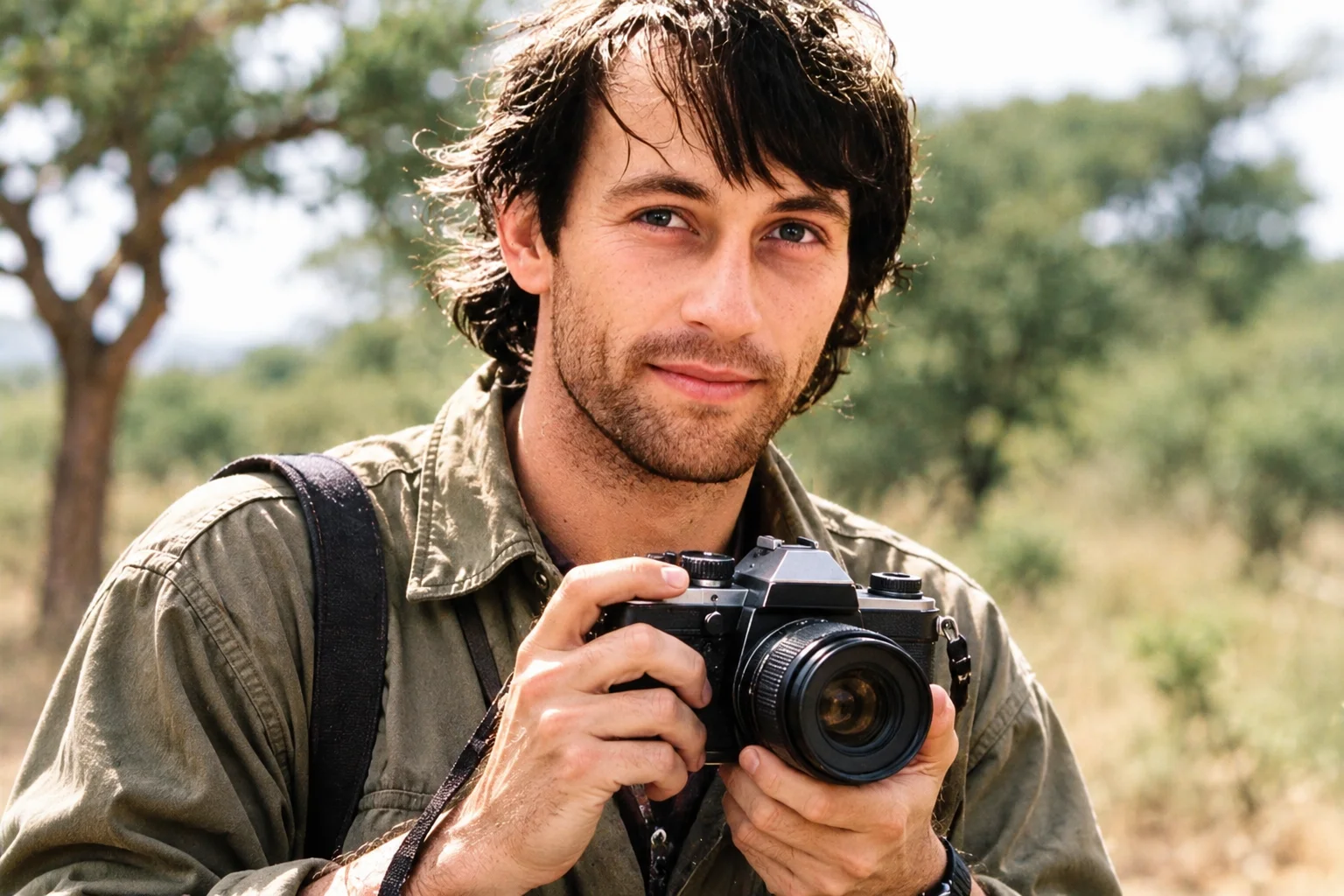
A single photograph can make the world stop and look. But sometimes the story behind that photograph is far more painful than the image itself. In March 1993, South African photojournalist Kevin Carter captured a moment in southern Sudan that would soon be seen across the world. A starving child lay on the ground while a vulture stood nearby. The photograph shocked millions and brought Carter international recognition. Yet it also raised difficult questions about the role of a photographer when someone is suffering right in front of the camera. What happened to the child, why did the photograph create so much controversy, and what led Carter to such a tragic end?
Who Was Kevin Carter and Why Was He in Sudan?
Kevin Carter was a South African photojournalist who spent much of his career documenting violence and political unrest. He worked during one of the most difficult periods in South Africa’s history when apartheid and the conflict surrounding it were creating deep divisions across the country. Rather than staying away from dangerous situations, Carter often went directly into areas where violence was unfolding.
He became part of a group of photographers later known as the Bang-Bang Club. The group included João Silva, Greg Marinovich and Ken Oosterbroek. Together they documented shootings, political clashes and the brutal realities of life under apartheid. Their photographs brought international attention to violence that many people outside South Africa rarely witnessed.
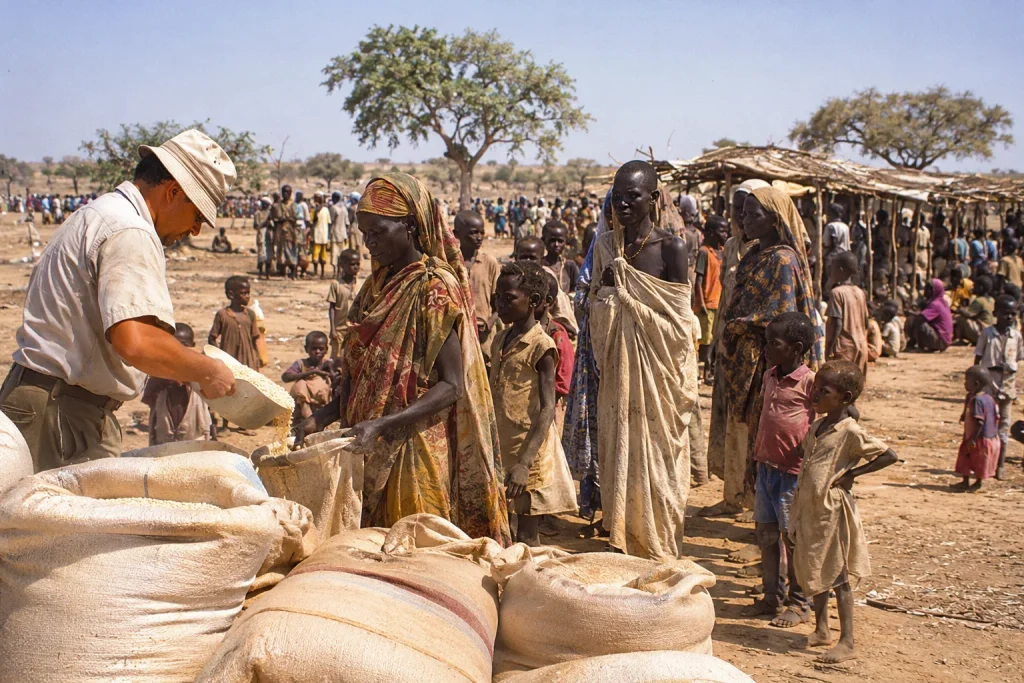
In March 1993, Carter travelled to southern Sudan to photograph the famine affecting communities in the region. Years of conflict had disrupted everyday life and left many families without reliable access to food. People were struggling to survive and humanitarian organisations were trying to deliver emergency supplies to those in need.
Carter arrived in Ayod where he witnessed the effects of the famine firsthand. Among the scenes of hunger and suffering was a moment that would change his life and make his name known around the world.
The Photograph That Shocked the World
While walking through the bush near a feeding centre in Ayod, Carter encountered a very young child struggling to reach the place where food was being distributed. In his own account published shortly after returning from Sudan, Carter explained that the child was around 200 to 300 metres from the centre and was so weak that walking even a short distance was difficult.
The child would take a few steps before sinking onto their haunches and covering their head with thin hands to protect against the burning sun. After resting, the child would struggle to stand and try to move forward again. At one point the child fell forward from a sitting position and lay face down in the fine dust. Just then Carter noticed a vulture approaching and captured the moment with his camera.
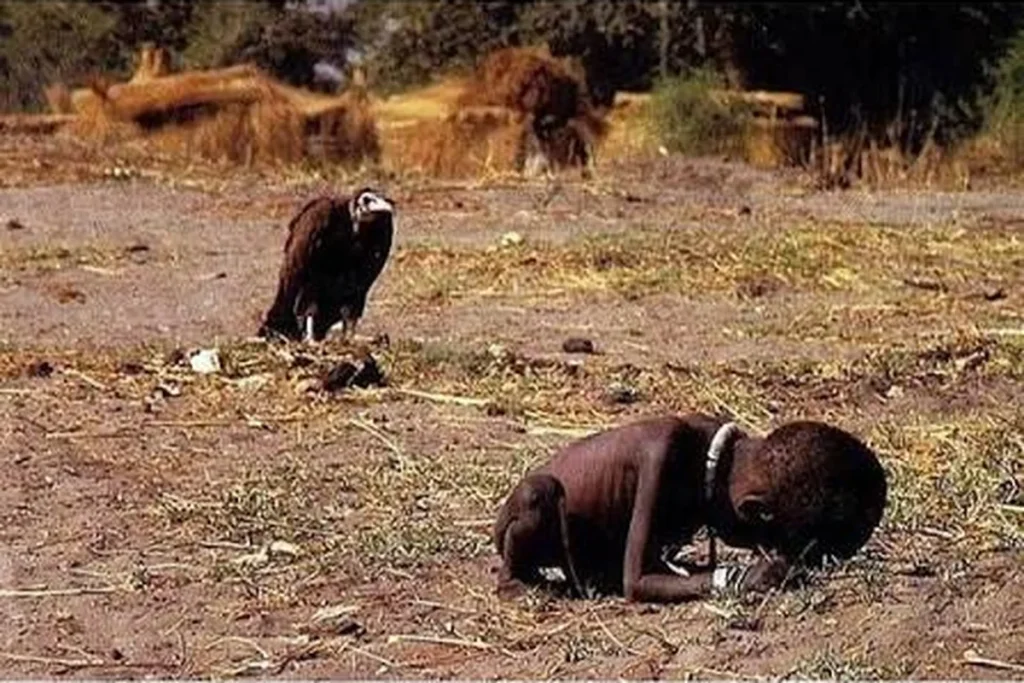
For many years, the child in the photograph was widely described as a little girl because that was how the original newspaper caption identified the child. The child’s actual identity remained uncertain and readers were left wondering whether the child had survived.
In 2011, Spanish journalist Alberto Rojas travelled to the region and investigated the child’s identity. His reporting for El Mundo identified the child as a boy named Kong Nyong. According to the investigation, the boy had survived the famine and was later recognised by members of his family.
Reports based on that investigation stated that Kong Nyong died in 2007 after suffering from fever. This meant he had lived for years after the photograph was taken and had not died beside the vulture as some people had feared.
The discovery helped answer one of the biggest questions surrounding the photograph. However, it did not erase the suffering captured in the image or the debate about what a photographer should do when faced with a person in desperate need.
The Painful Events Behind Kevin Carter’s Final Days
Although the photograph brought Carter worldwide recognition, his life was becoming increasingly difficult. He had spent years covering violence and death in South Africa and had witnessed scenes that left a lasting emotional impact. The work also exposed him to constant danger and the pressure of returning with powerful photographs.
In 1994, Carter received the Pulitzer Prize for Feature Photography for the Sudan photograph. It was one of the highest honours a photojournalist could receive. Yet the recognition came during a period of personal hardship rather than bringing an end to his struggles.
On April 18, 1994, his close friend and fellow photographer Ken Oosterbroek was killed while covering violence in Thokoza, South Africa. Carter was deeply affected by his death. Financial difficulties and emotional distress added to the pressure he was already facing.
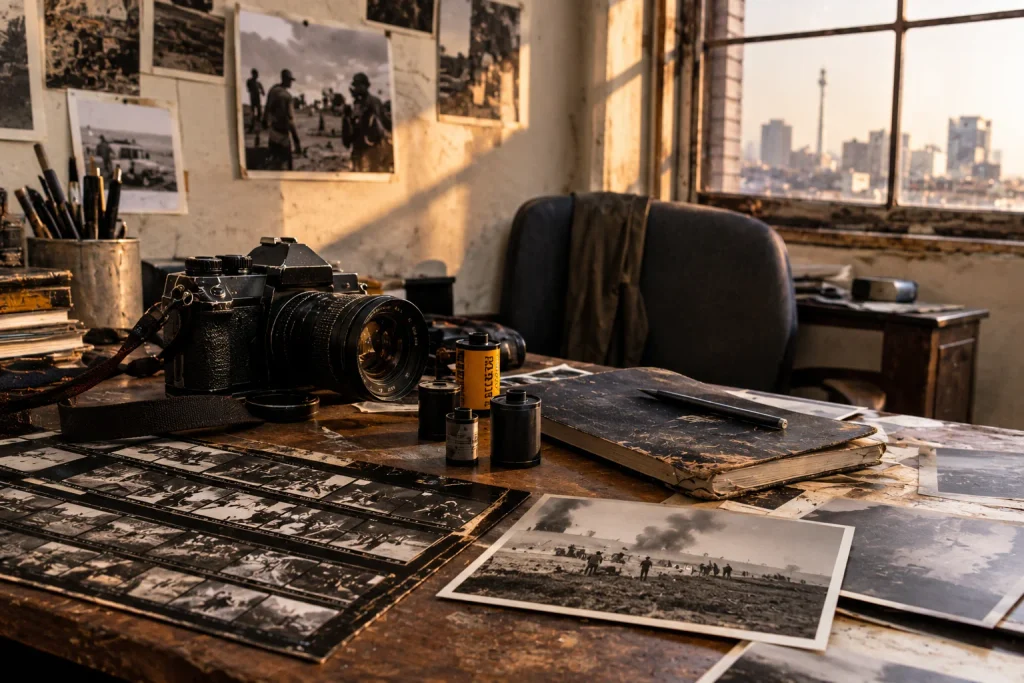
On July 27, 1994, Carter died by suicide in Johannesburg at the age of 33. His final note referred to painful memories of killings, corpses, anger and suffering. He also mentioned starving and wounded children as well as the death of his friend Ken. The note revealed how heavily the experiences of his work and the problems in his personal life had weighed on him.
It would be too simple to say that one photograph caused Carter’s death. His final months were shaped by several painful experiences and struggles that cannot be reduced to a single event. The Sudan photograph remained a major part of his public story but it was only one part of a much more complicated life.
Kevin Carter’s photograph continues to raise questions about journalism, compassion and the responsibility of those who witness suffering. It showed the world a moment that many people might otherwise never have seen. But behind that famous image were two human stories — a child who survived the famine and a photographer who struggled with the weight of what he had witnessed.