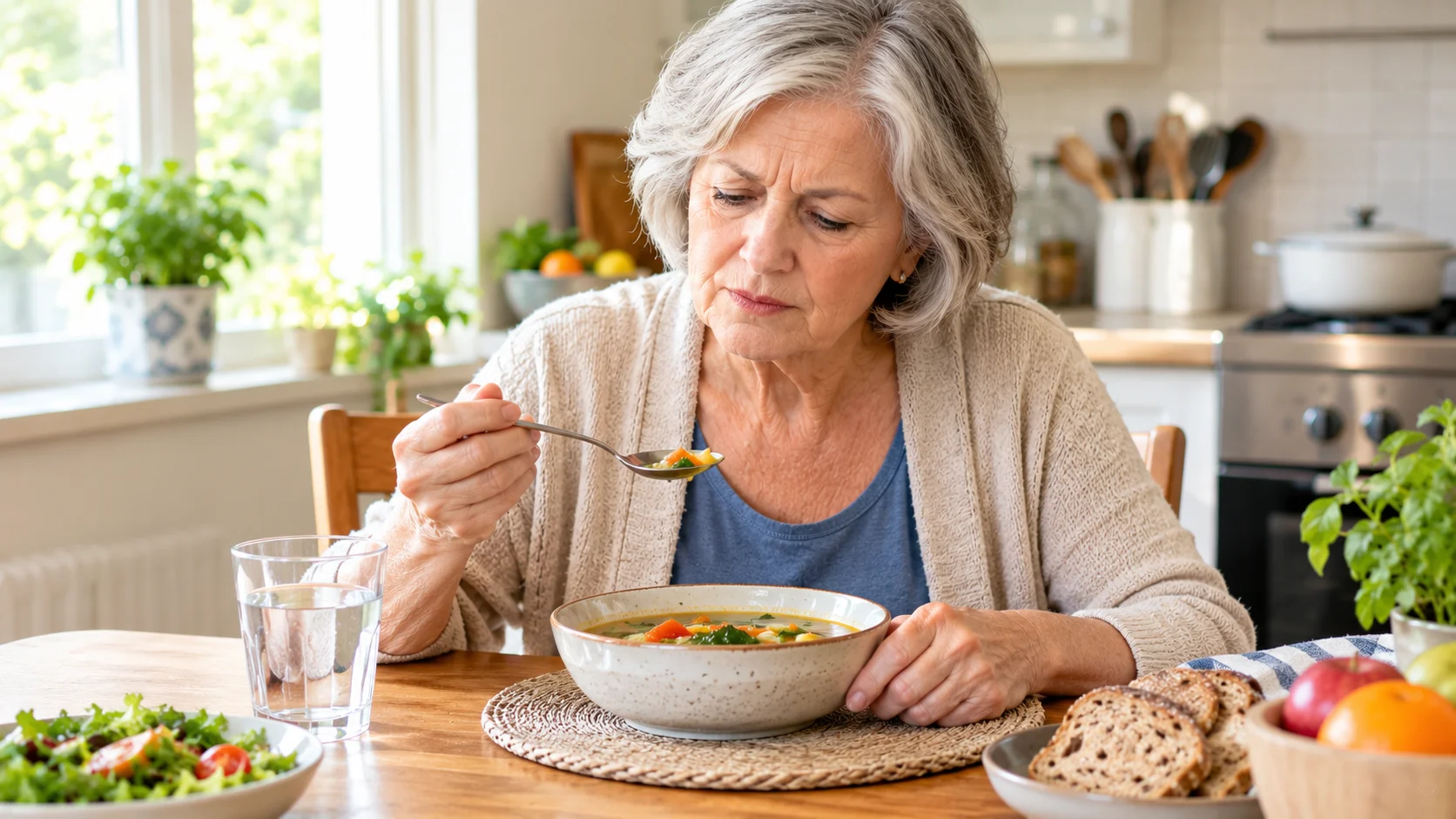
Have you ever eaten your favorite meal and wondered why it no longer tastes the same? Maybe your morning coffee seems less flavorful or your favorite soup tastes bland. You might even notice that foods you once loved no longer make you feel hungry. These changes can be confusing because you may still prepare your meals the same way you always have. So why does the taste seem different?
“Getting older can play a role, but it is not always the only reason”. Changes in your sense of smell and oral health can affect how food tastes. Certain medicines can also make familiar meals less enjoyable. Understanding these changes can help you make better food choices and continue enjoying the meals you love.
Why Does Your Favorite Food Taste Different After 50?

You might be surprised to learn that your nose plays a major role in how you experience flavor. Your tongue detects basic tastes such as sweet and salty while your sense of smell helps you recognize the full flavor of food. As you get older your sense of smell may become less sensitive. This can make familiar meals seem bland. Your favorite coffee may lose its rich flavor and foods you once enjoyed may no longer taste as satisfying.
However, age is not always the reason. Dry mouth and dental problems can also affect taste. Some medicines may change how food tastes. A blocked nose or respiratory infection can have a similar effect. If your food suddenly starts tasting different do not automatically assume it is a normal part of aging. Speak with your doctor if the problem continues or makes eating difficult.
Why Are You Feeling Less Hungry Than Before?
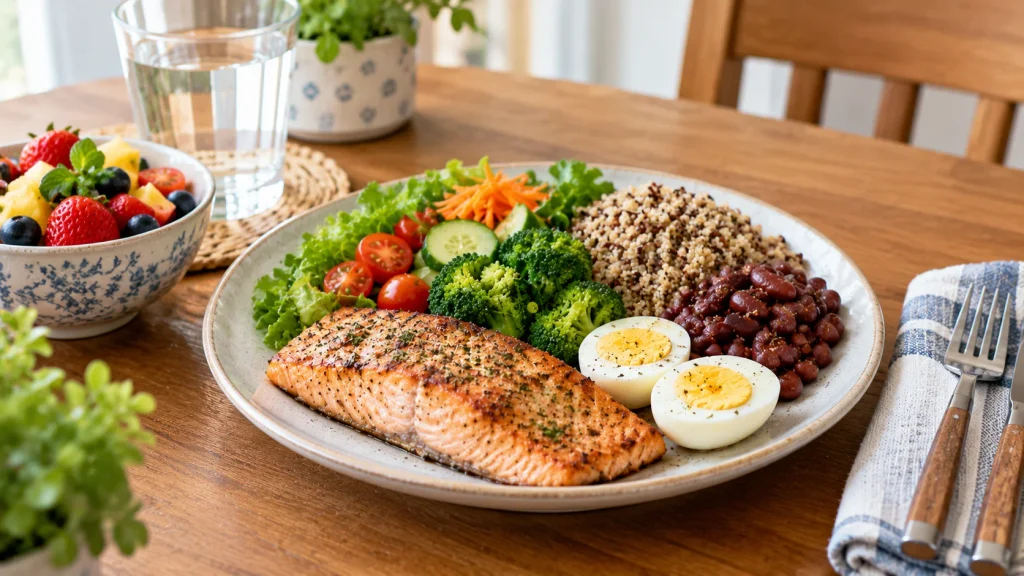
Have you noticed that you sometimes leave food on your plate even when you used to enjoy every bite? Your appetite can change as you get older. You may become less active than before or find that meals no longer seem as appealing. Certain medicines and health conditions can also reduce your desire to eat. When food loses its flavor you may naturally become less interested in eating. You might skip meals or eat smaller portions without realizing it. Over time this can make it harder to get the nutrients your body needs to maintain strength and energy.
Try to make your meals both nutritious and enjoyable. Eggs and fish provide protein while beans and whole grains can supply important nutrients. Fresh fruit and vegetables are also valuable parts of a balanced diet. If you do not feel hungry for a long time or begin losing weight without trying to speak with your doctor. A lasting change in appetite should not simply be blamed on age.
Which Foods Should You Be More Careful With After 50?
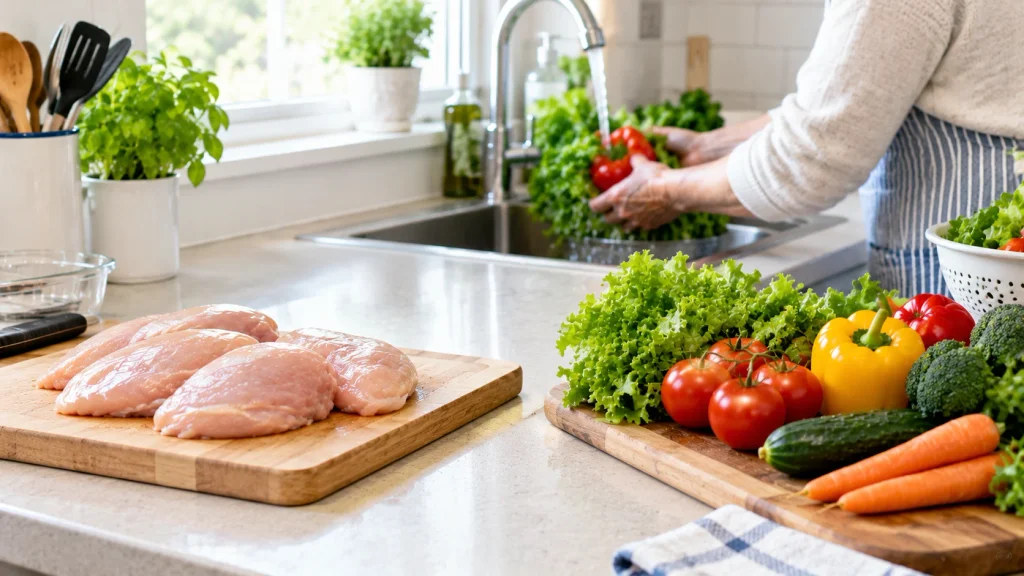
You do not need to give up your favorite foods just because you are getting older. However some foods require extra care. Adults aged 65 and older have a higher risk of becoming seriously ill from food poisoning. Raw or undercooked meat and poultry can contain harmful germs. Raw eggs and seafood may also carry germs that cause illness. Unpasteurized milk and dairy products can be risky too. Deli meats and hot dogs need special attention because older adults should heat them until steaming hot before eating.
Fresh fruits and vegetables remain important for good health. Wash them under running water before eating or cutting them. Keep raw meat away from other foods to prevent harmful germs from spreading. One thing many people overlook is that unsafe food does not always look or smell spoiled. Food can still make you sick even when it appears normal. Proper cooking and storage are just as important as choosing healthy foods.
You should also pay attention to foods that contain too much salt or added sugar. Eating large amounts of salty foods can contribute to high blood pressure. Too much added sugar can make it harder to maintain a balanced diet. Packaged snacks and sugary drinks can contain more of these ingredients than you realize. You do not need to avoid every treat. The better approach is to enjoy them in moderation and choose nutritious foods most of the time.
Could Your Medicines Be Changing the Way Food Tastes?

Sometimes your favorite food is not the problem. The medicine you take every day could be affecting your sense of taste. Certain medicines can cause dry mouth or make food taste different. When your mouth feels dry, eating may become uncomfortable. Meals that once seemed delicious may no longer be as enjoyable. If you notice a change after starting a new medicine ask your doctor or pharmacist whether it could be the cause. Never stop taking prescribed medicine without medical advice.
Food can also affect how some medicines work. Grapefruit and grapefruit juice can interact with certain medications including some cholesterol-lowering drugs. Whether you need to avoid grapefruit depends on the medicine you take. Warfarin is another example. It is used to help prevent blood clots. Foods such as spinach and broccoli contain vitamin K which can affect how warfarin works. You usually do not need to stop eating these vegetables if you take warfarin. Instead it is important to keep your vitamin K intake consistent and follow your healthcare professional’s advice.
If you take medicines regularly ask your pharmacist whether any foods could affect them. A simple conversation can help you avoid unnecessary food restrictions and make safer choices.
When Should You Worry About Changes in Taste?
A meal tasting different once may not be a serious concern. However a sudden or lasting change should not be ignored. If you suddenly lose your sense of taste or smell, speak with a healthcare professional. The same applies if food develops an unusual taste that does not go away or if dry mouth makes eating difficult. Pay attention to your appetite as well. If you regularly feel uninterested in food or lose weight without trying it is important to find out why. These changes can have several possible causes. Getting the right advice can help you address the problem instead of accepting it as an unavoidable part of getting older.
How Can You Make Your Favorite Meals Enjoyable Again?
If food seems bland you can try making small changes to your meals. Herbs and spices can add flavor without relying on extra salt. Garlic and lemon may also help make certain dishes more appealing. Good oral hygiene is important too. Brush your teeth regularly and keep up with dental checkups. If your mouth often feels dry, ask your healthcare professional what may help.
Pay attention to which foods you still enjoy and try different ways of preparing them. You may find that a different texture or cooking method makes a meal more appealing. Most importantly make sure you are eating enough. Choose a variety of nutritious foods that suit your health needs. If your taste or appetite continues to change, seek medical advice rather than trying to manage everything on your own.
Could These Changes Mean Something More?
Your favorite foods may taste different after 50 but age is not always the whole explanation. Changes in smell and oral health can affect flavor. Certain medicines and health conditions may also play a role. At the same time food safety becomes increasingly important as you get older. Proper cooking and storage can help reduce the risk of food poisoning. Paying attention to salt and added sugar can also support healthier eating habits.
You do not have to stop enjoying the foods you love. Notice changes in your taste and appetite and take them seriously when they persist. With the right information and a few practical adjustments you can continue enjoying your meals while taking care of your health.