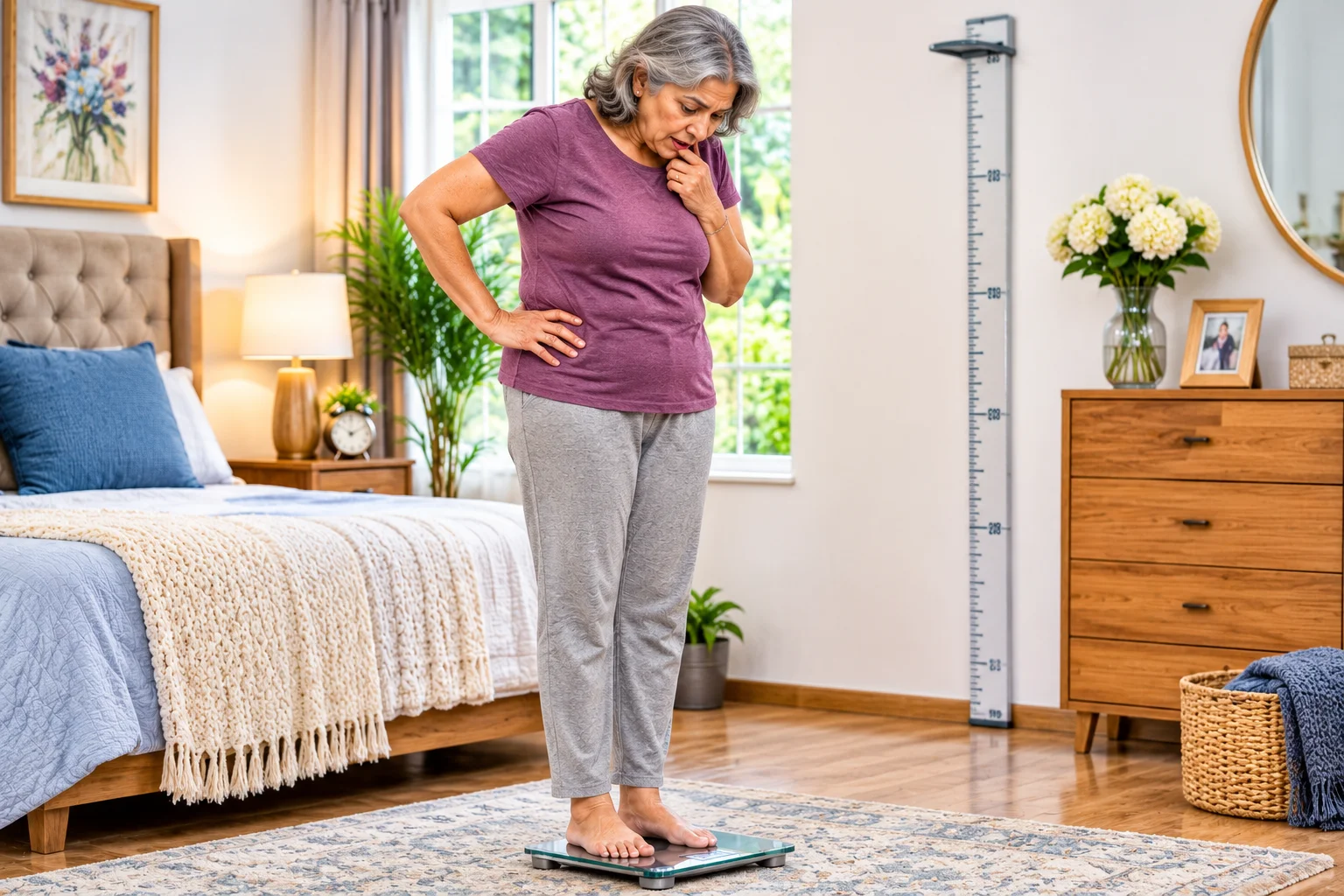
Imagine stepping on a weighing scale at 60 and seeing the same weight you had at 40. You haven’t gained any weight, so you might expect your BMI to stay the same too. But what if the number has increased even though your weight hasn’t changed? It may seem strange at first, but your height could be the reason. As you grow older your body goes through several changes that you may not notice right away and some of them can affect how your BMI is calculated.
Why Can Your BMI Increase Without Gaining Weight?
Body Mass Index (BMI) compares your weight with your height. It is calculated by dividing your weight in kilograms by your height in metres squared. Since height is part of this calculation, even a small reduction in measured height can make your BMI higher while your weight stays exactly the same.
For example, imagine someone who weighs 70 kg and is 170 cm tall. Their BMI is around 24.2. Years later their weight is still 70 kg but their measured height has decreased to 165 cm. Their BMI is now around 25.7. The weighing scale shows no difference but the BMI result has changed. This explains why weight alone cannot always tell you what is happening as you get older.
Why Do Some People Become Shorter With Age?
Many people believe their adult height stays the same for life but that is not always the case. Some people gradually lose height as they grow older because of changes in their spine and posture. The soft discs between the bones of the spine can lose water and become thinner over time. This reduces the space between the vertebrae and may contribute to a gradual loss of height.
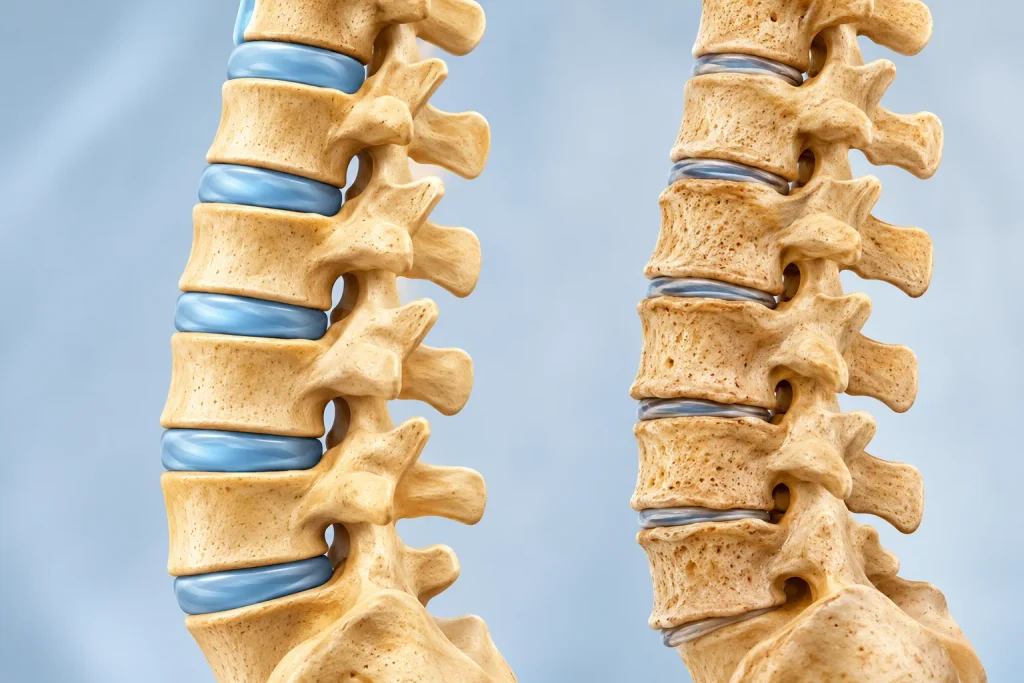
Posture can also play a role. Some older adults develop a more rounded upper back which can make them appear shorter. Changes in bone health may contribute as well. Research involving more than 185,000 people found that height began to decline around middle age in the population studied. However, this does not happen at the same rate in everyone. Genetics, bone health and other factors can influence how much height a person loses.
Could You Be Using Your Old Height to Calculate BMI?
There is another detail that many people overlook. They may still use the height they measured years ago when checking their BMI. Someone who was 170 cm tall at 40 might continue entering that same height into a BMI calculator at 65 even if their current height is lower.
This can make a difference because the calculator only uses the information you enter. If your actual height has decreased but you keep using your older measurement your BMI result may be lower than the result calculated with your current height. A small study of adults aged 75 to 96 also found differences between BMI calculations based on measured height and previously reported height. This is why using an accurate current height is more helpful than relying on an old record or memory.
What Is Changing Inside Your Body Even When Your Weight Stays the Same?
Height is only one part of the story. As people get older their body composition can change even when their weight remains stable. Muscle mass may gradually decrease while body fat increases or becomes more concentrated around the abdomen. These changes can happen slowly which makes them difficult to notice on a weighing scale.
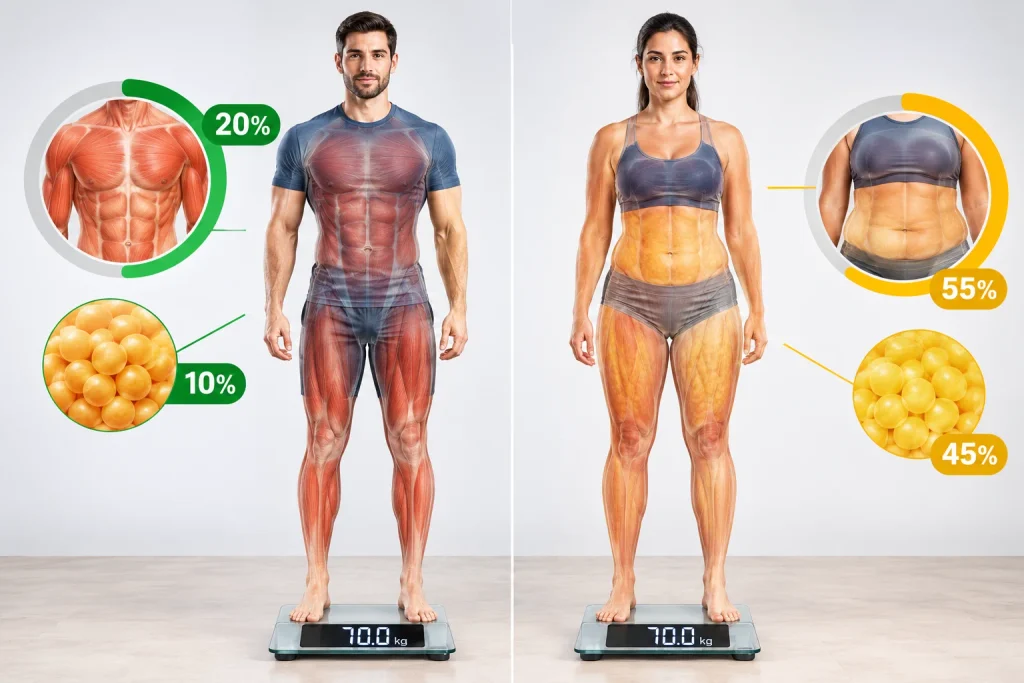
Think about two people who both weigh 70 kg. One may have more muscle and less body fat while the other may have less muscle and more fat around the waist. Their weight is identical but their bodies are not the same. A similar change can happen within one person over several decades. They may weigh the same at 60 as they did at 40 but have a very different balance of muscle and fat.
It is important to understand that muscle loss does not automatically increase BMI when weight and height remain unchanged. Instead it changes what that BMI number may represent about the person’s body and health.
Why Doesn’t the Same BMI Always Tell the Same Health Story?
BMI is a useful screening tool but it cannot show everything happening inside your body. It does not tell you how much of your weight comes from muscle or fat and it cannot show where your body stores fat. This becomes especially important as people grow older because their body composition may change over time.
For example two people can have exactly the same BMI but very different amounts of abdominal fat and muscle. Someone may even have a BMI within the commonly used healthy range while carrying more fat around their waist. This is one reason health professionals do not rely on BMI alone when assessing older adults. Looking at body composition and physical function can provide information that the BMI number cannot show.
What Should You Check Besides Your BMI?
If you want to understand your health more clearly as you get older it can help to look beyond your BMI. Your waist measurement is one useful place to start because it gives an indication of how much fat you carry around your abdomen. Waist-to-height ratio can provide another way to assess abdominal fat in relation to your height.

Muscle strength is also worth paying attention to. Finding it harder to get up from a chair or climb stairs may be a sign that your physical strength has changed. When a more detailed assessment is needed a healthcare professional may recommend methods such as a DXA scan or bioelectrical impedance analysis to estimate body fat and lean mass.
Some useful measurements include:
- Waist circumference to assess fat around your abdomen
- Waist-to-height ratio to compare your waist measurement with your height
- Muscle strength to understand changes in physical function
- Body composition to estimate how much of your body weight comes from fat and lean tissue
These measurements do not replace a medical assessment but they can provide a broader picture than BMI alone.
When Should You Be Concerned About Losing Height?
A small gradual change in height can happen as part of aging but noticeable height loss should not always be ignored. One possible reason is osteoporosis which weakens bones and makes them more likely to fracture. In some cases the bones in the spine can develop compression fractures that cause a person to lose height. These fractures may sometimes happen without a clear injury.
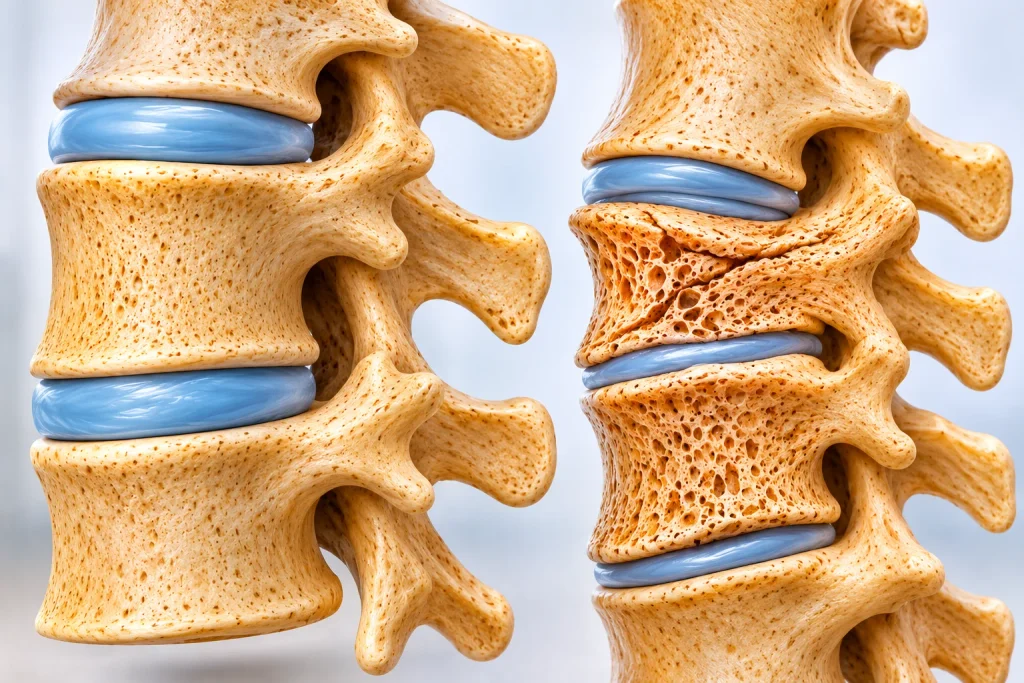
Pay attention if you notice a significant reduction in your height or develop persistent back pain. A more rounded upper back or a sudden change in posture can also be worth discussing with a healthcare professional. They can help identify whether the change is related to normal aging or whether further checks are needed.
Your Weight May Stay the Same but Your Body Can Change
Seeing the same number on a weighing scale for years does not necessarily mean your body has stayed the same. Your height may gradually decrease while muscle mass and body fat distribution can also change. Some of these changes can affect your BMI while others may influence your health without changing the number at all.
That is why BMI should be treated as one part of the picture rather than a complete measure of health. Looking at your current height, waist measurement, muscle strength and body composition can help explain changes that the weighing scale cannot reveal. As you get older understanding what is happening inside your body may be more useful than focusing on one number.